Once upon a time…
In the past, when everyone still baked their own bread, there was a bakehouse in the village of Bellwald and in every hamlet. Of these, only the one in the hamlet of Ried has been preserved. Even this small house at the edge of the village, below the path leading from Ried to Eggen, was already showing serious signs of decay when the people of Ried decided to come together in their free time to restore this witness of the past—with all its old tools and equipment—and preserve it for future generations. Just like in great-grandfather’s time, bread can still be baked here today. Let us step back for a moment into that time.
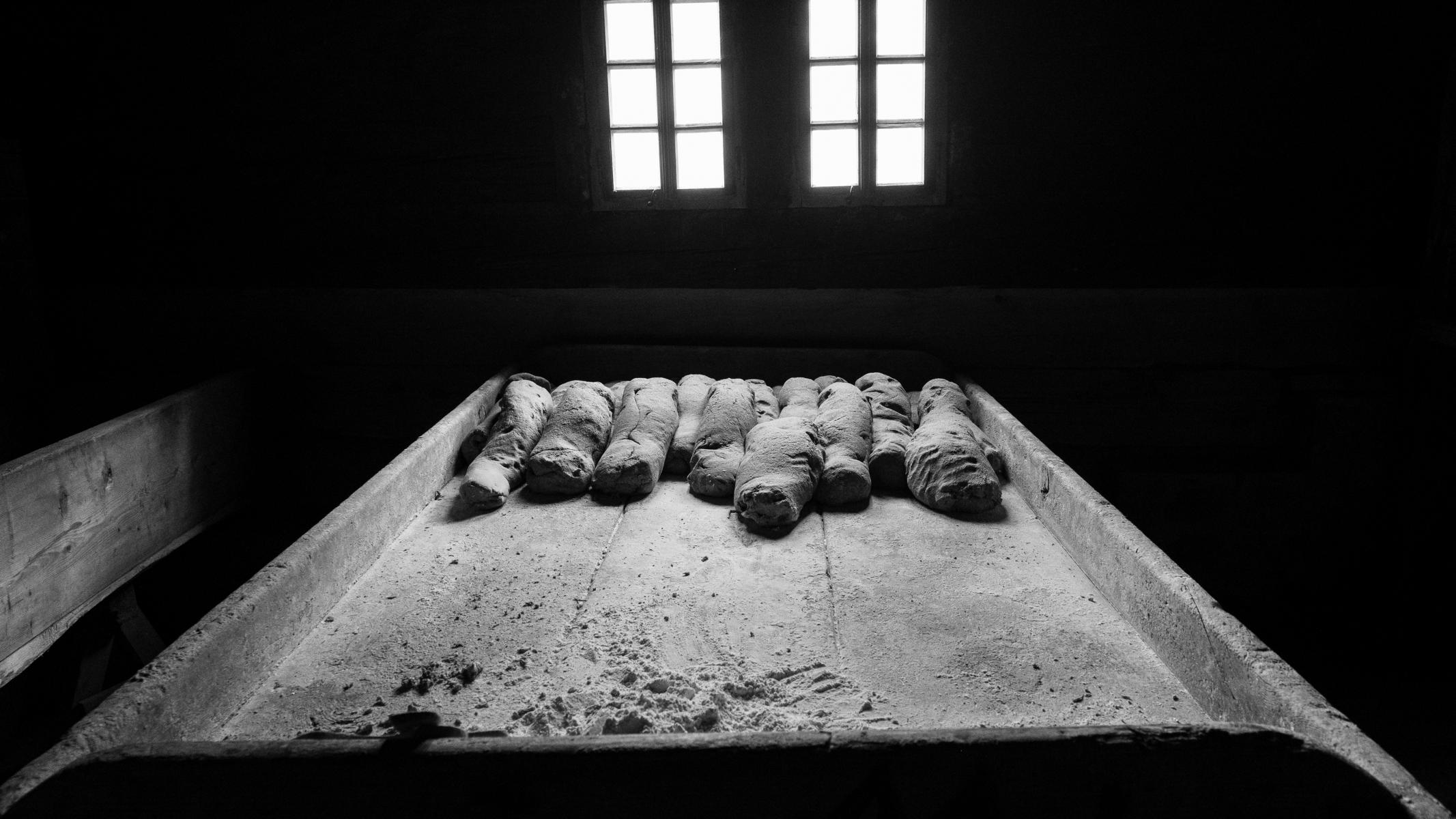
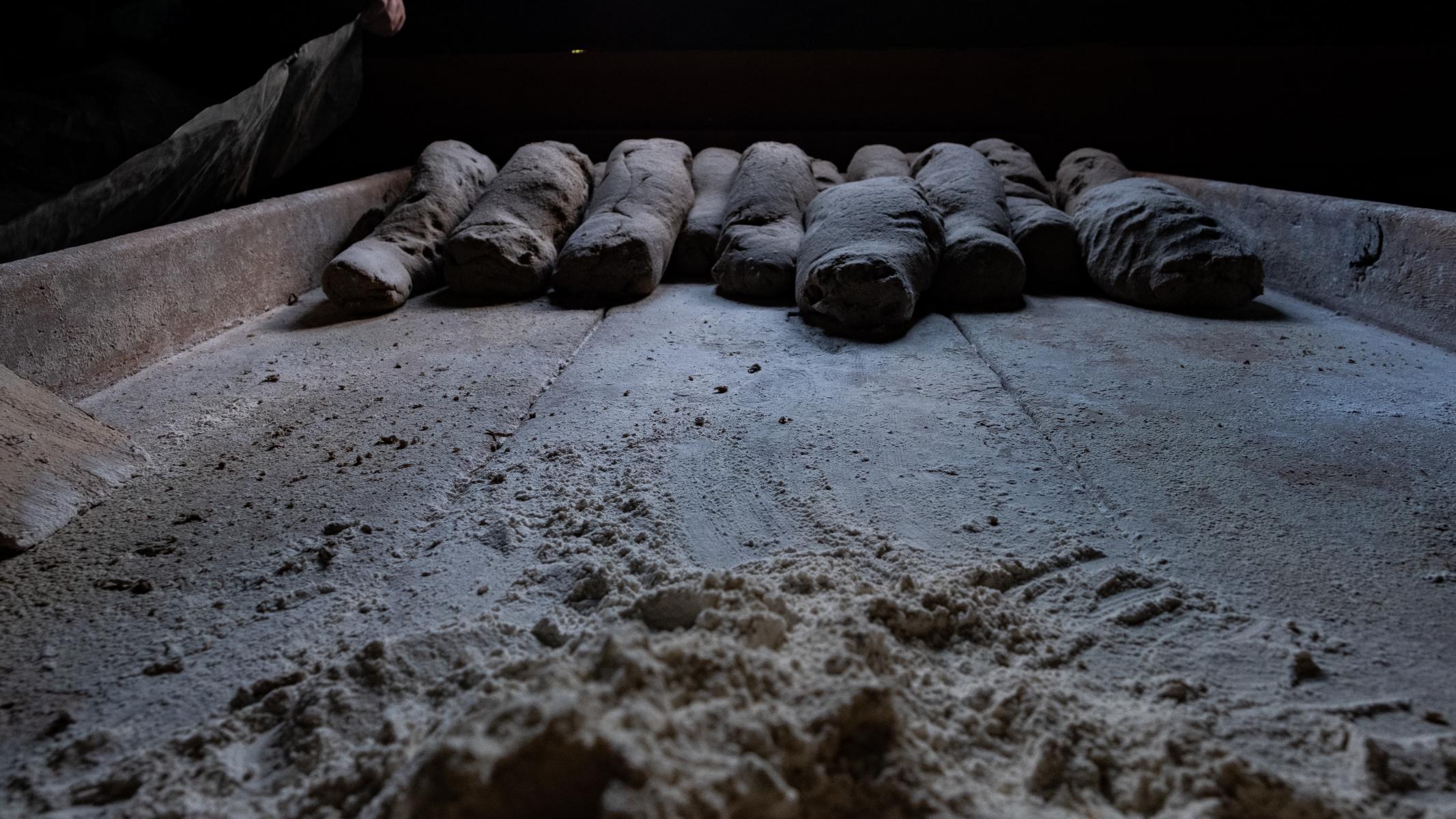
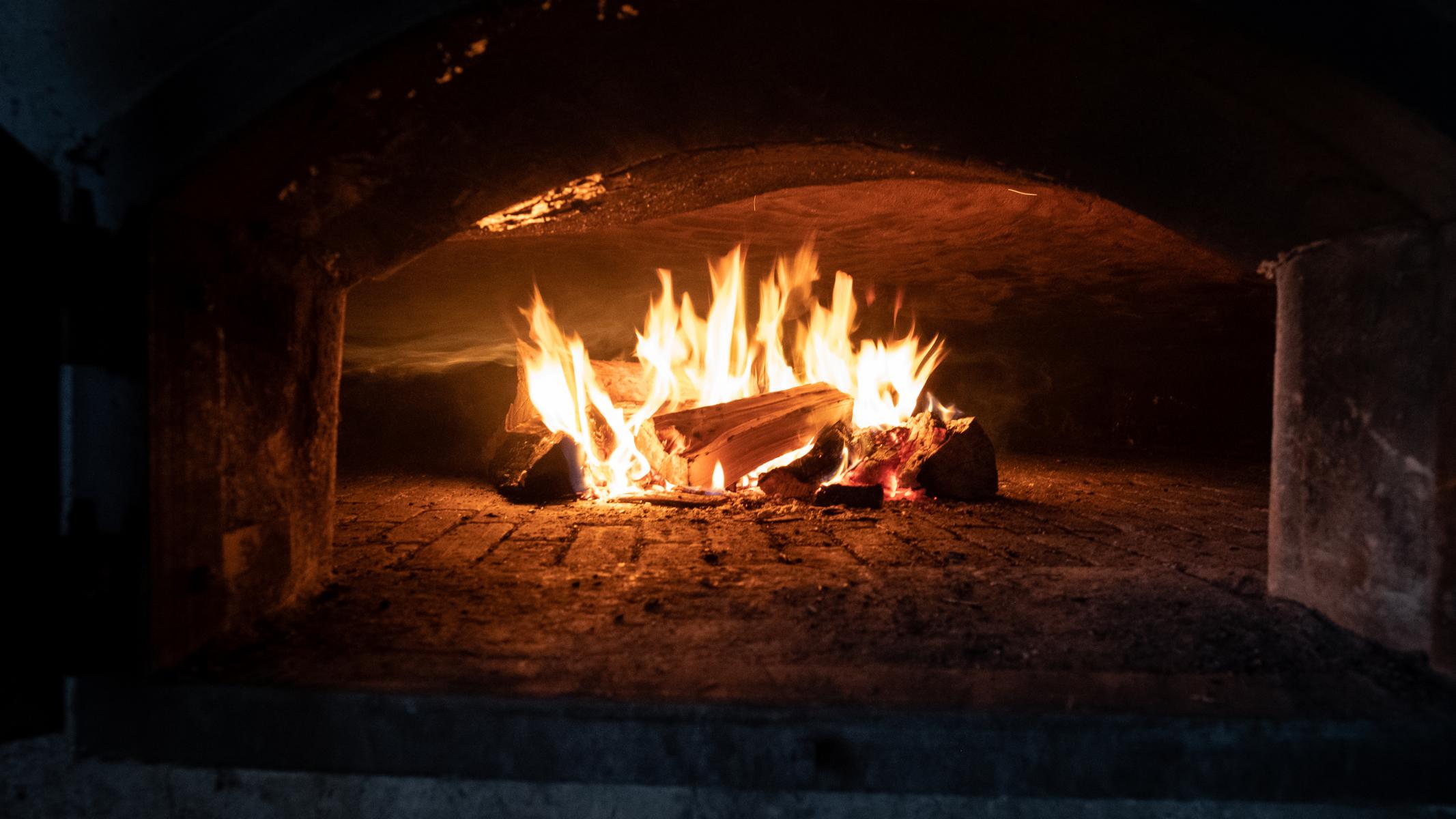
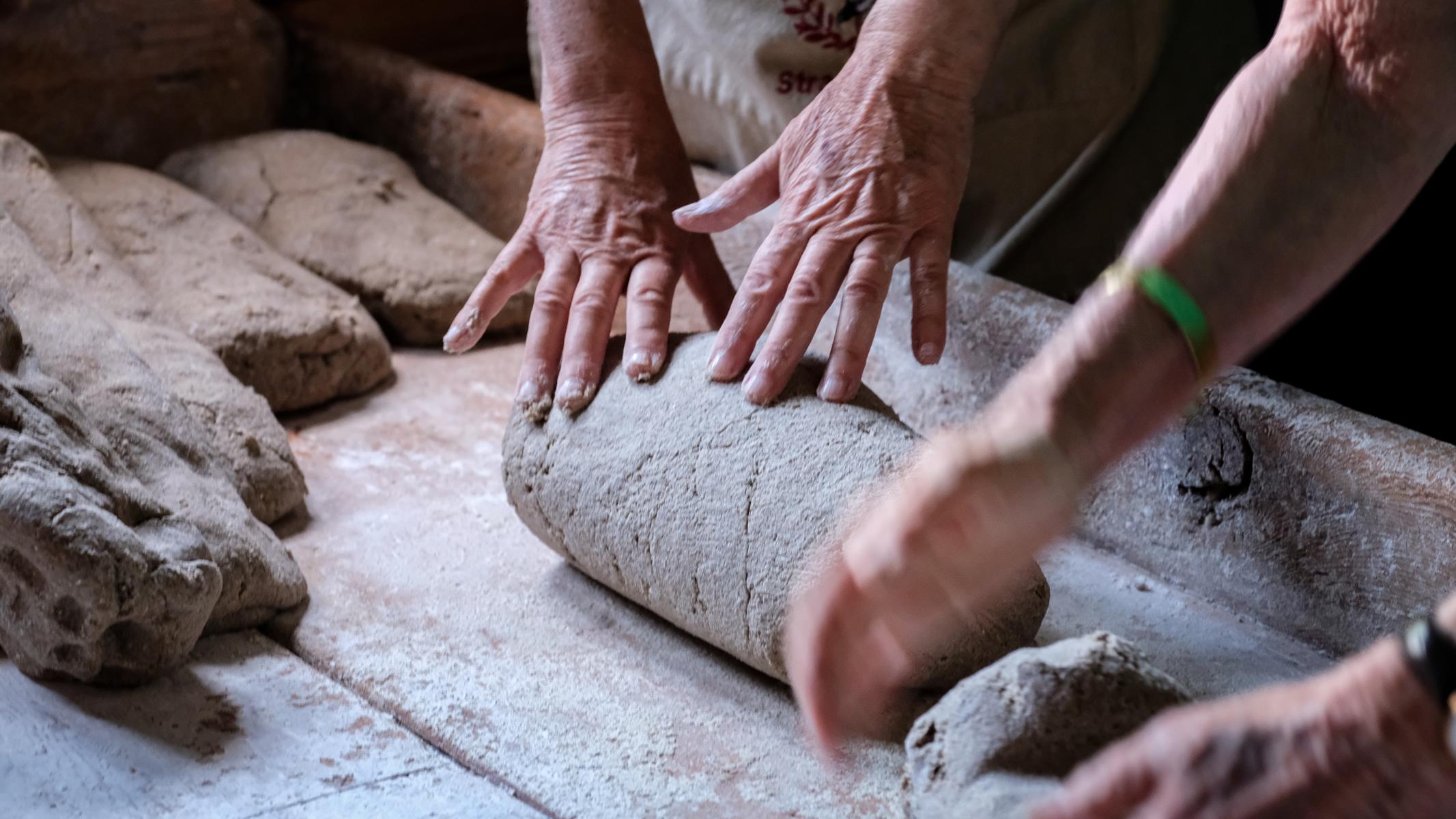
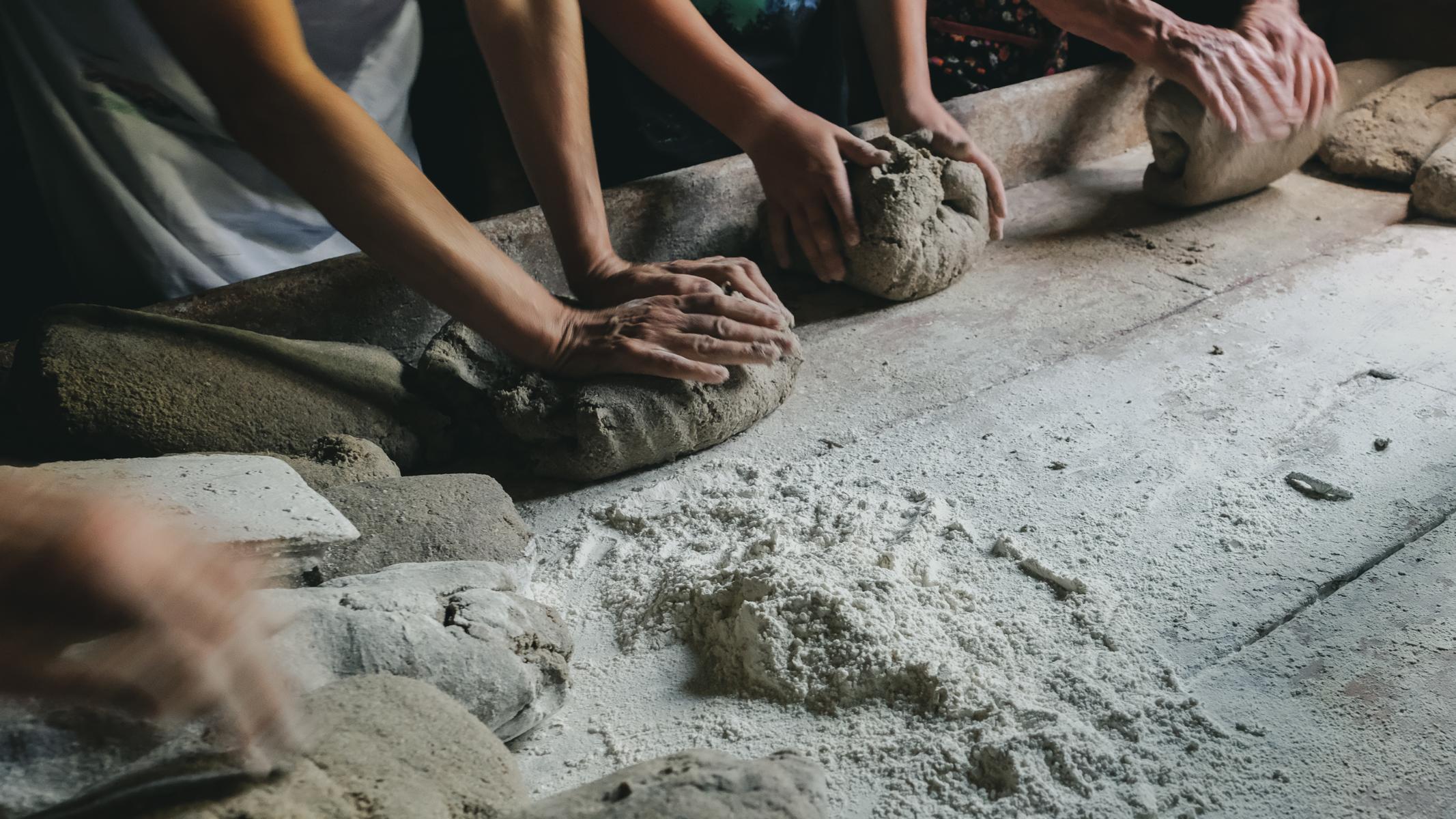
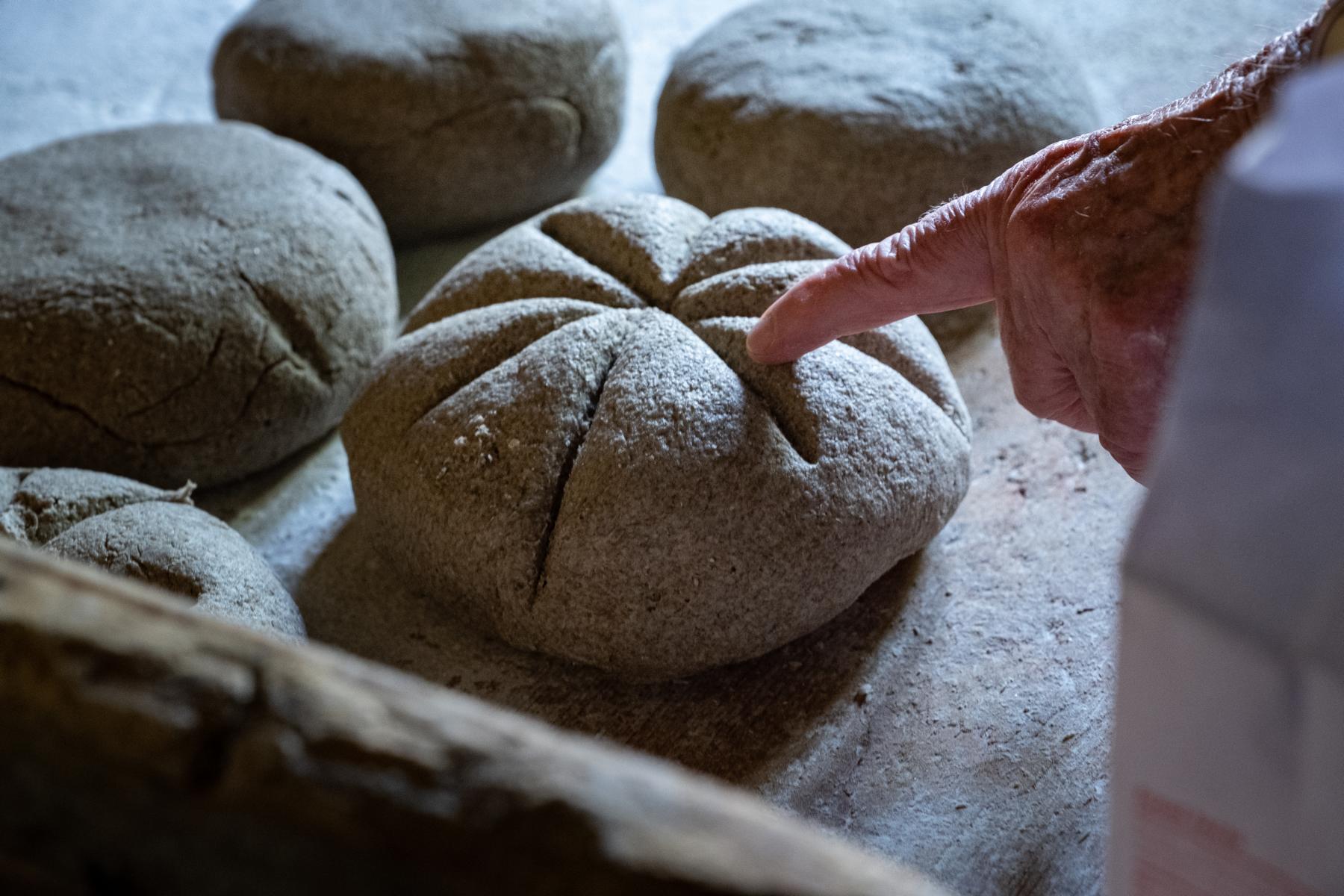
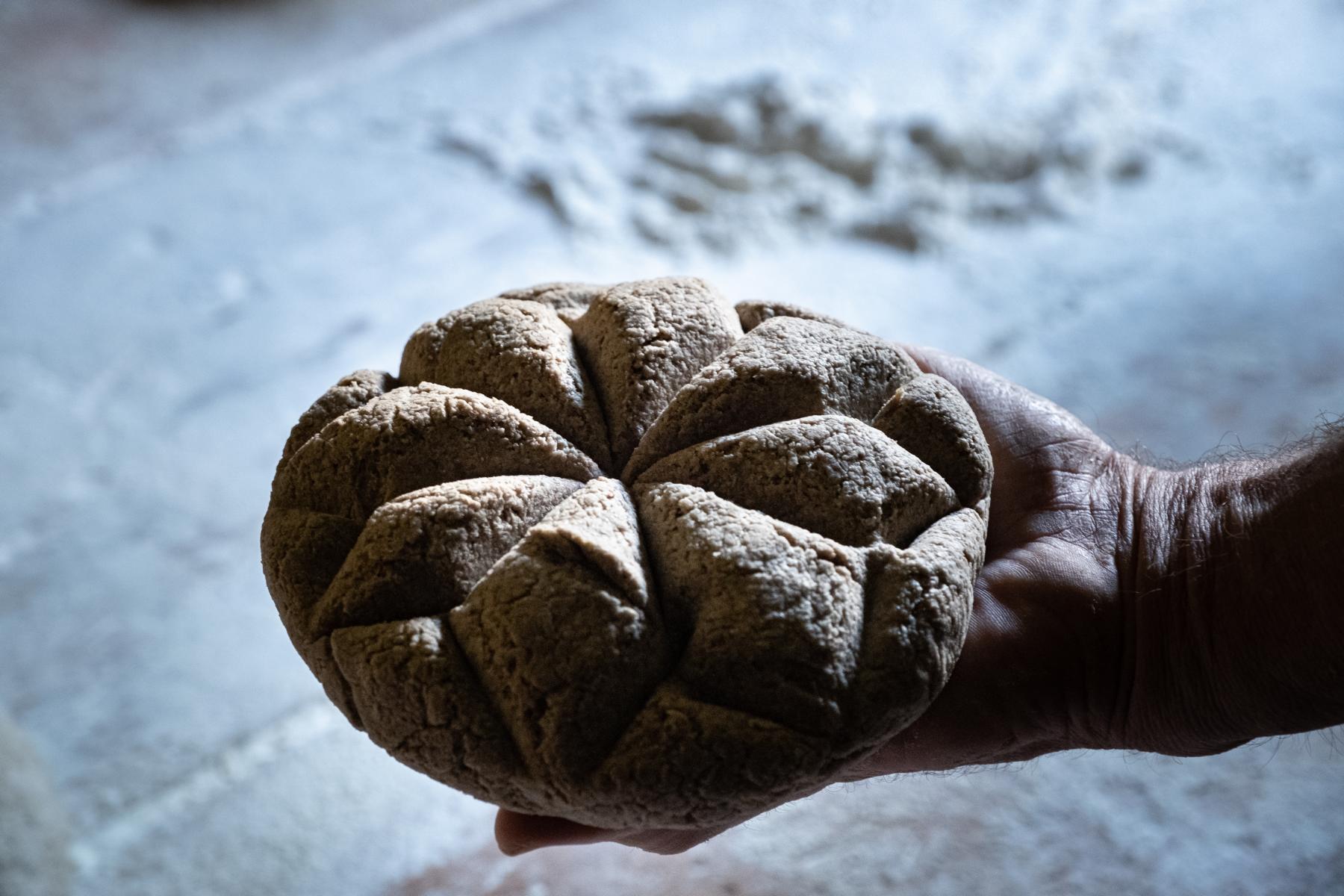
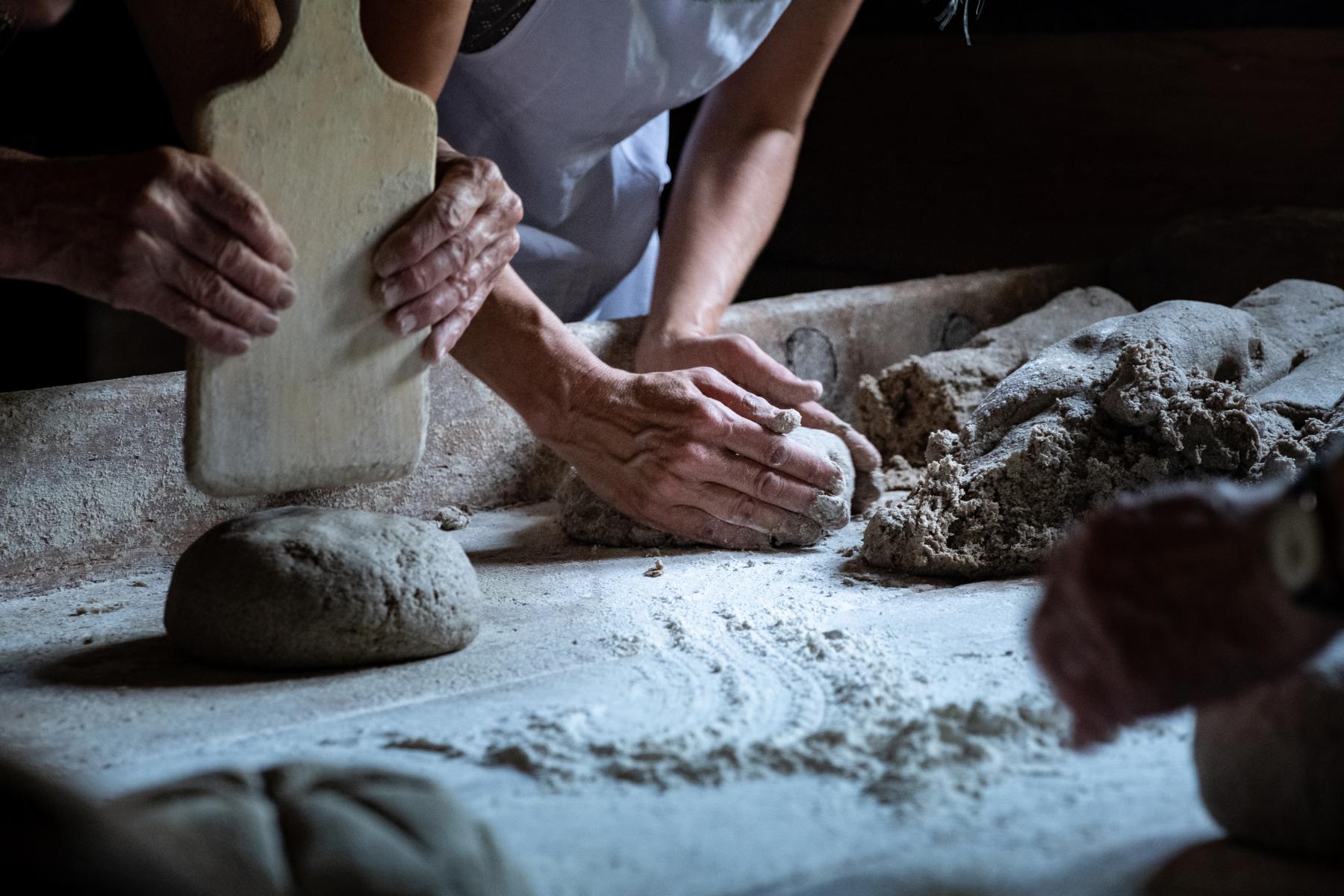
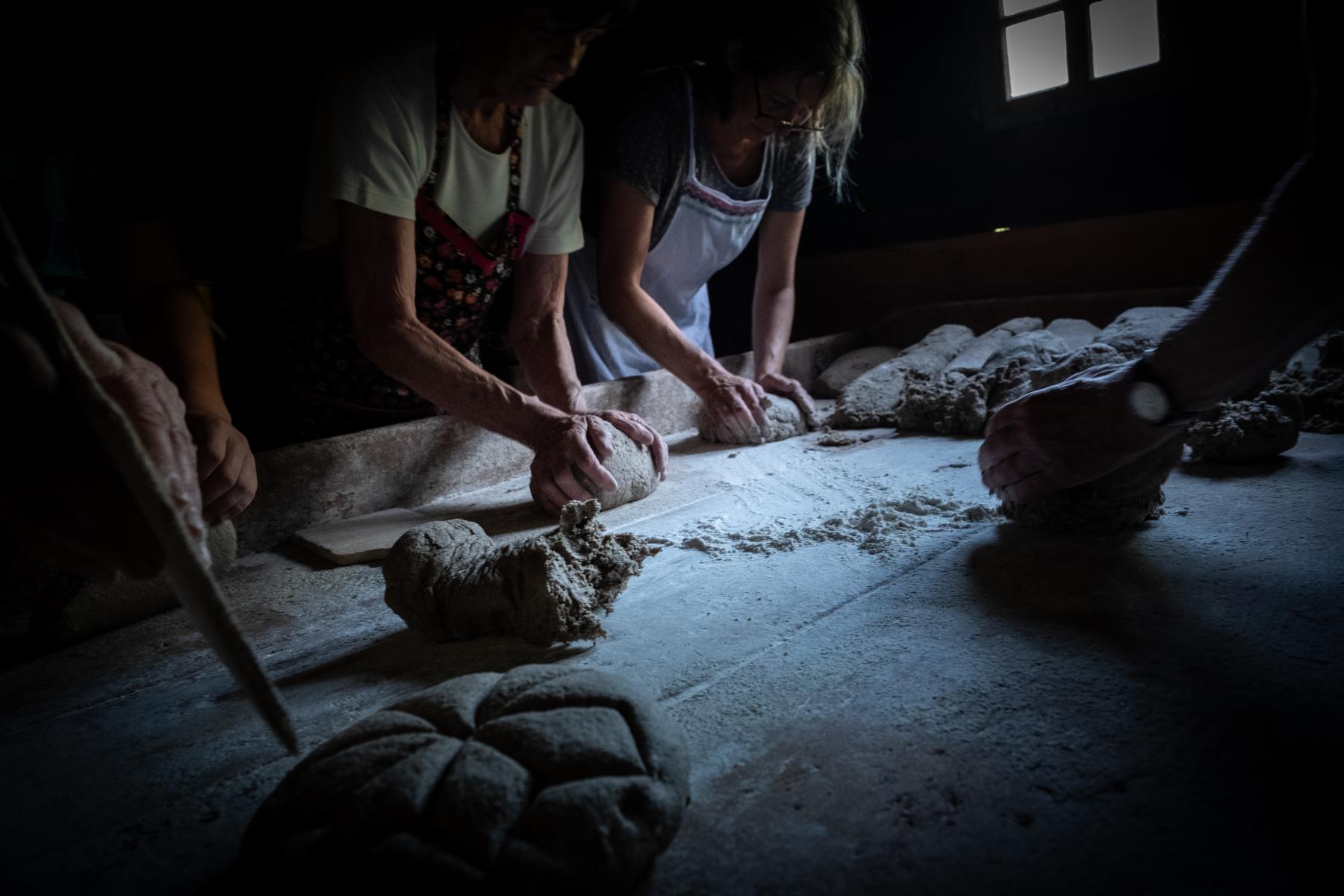
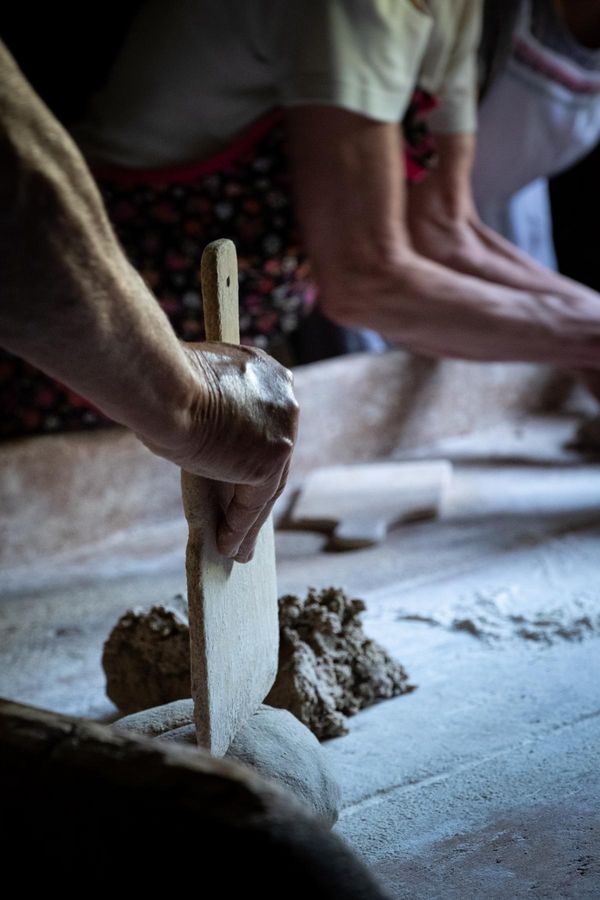
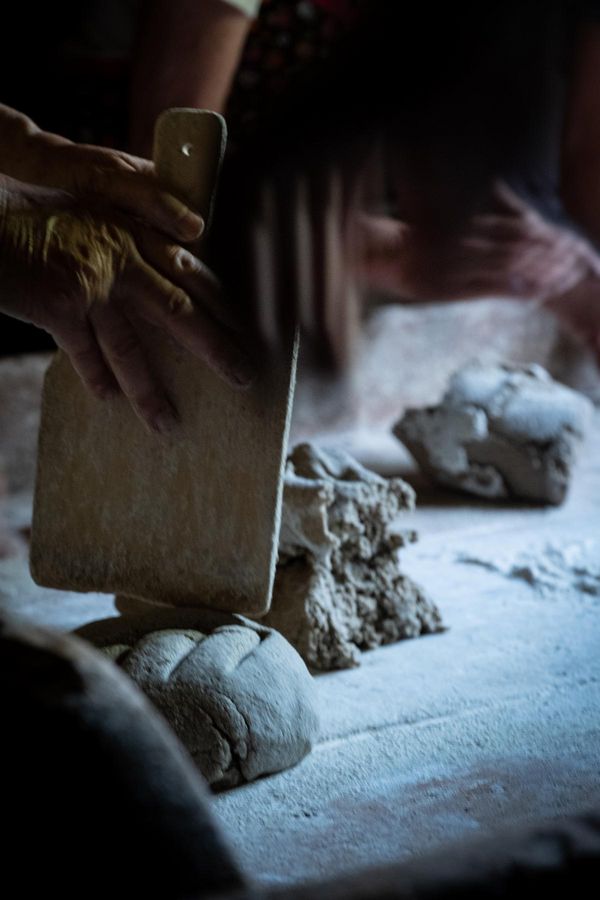
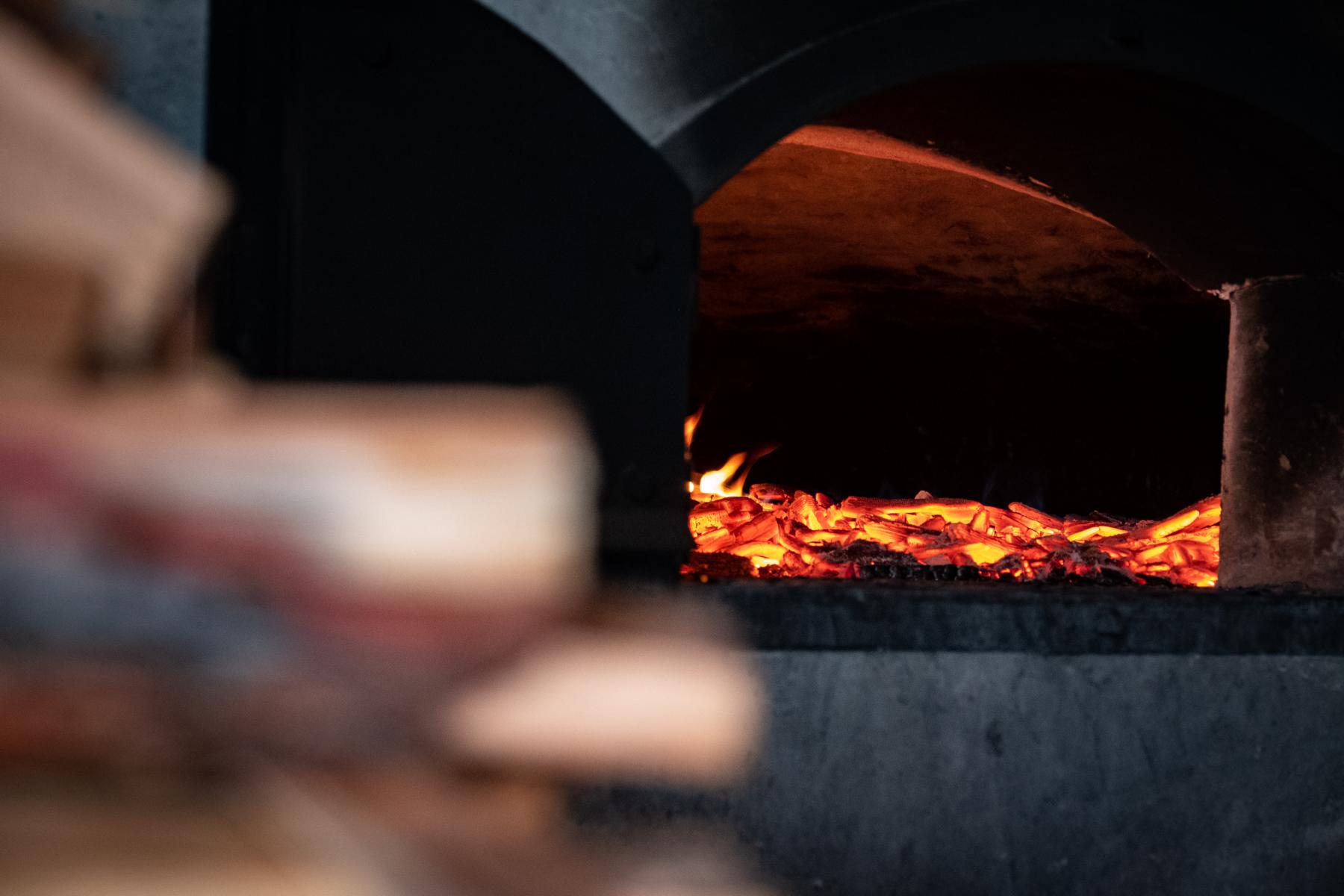
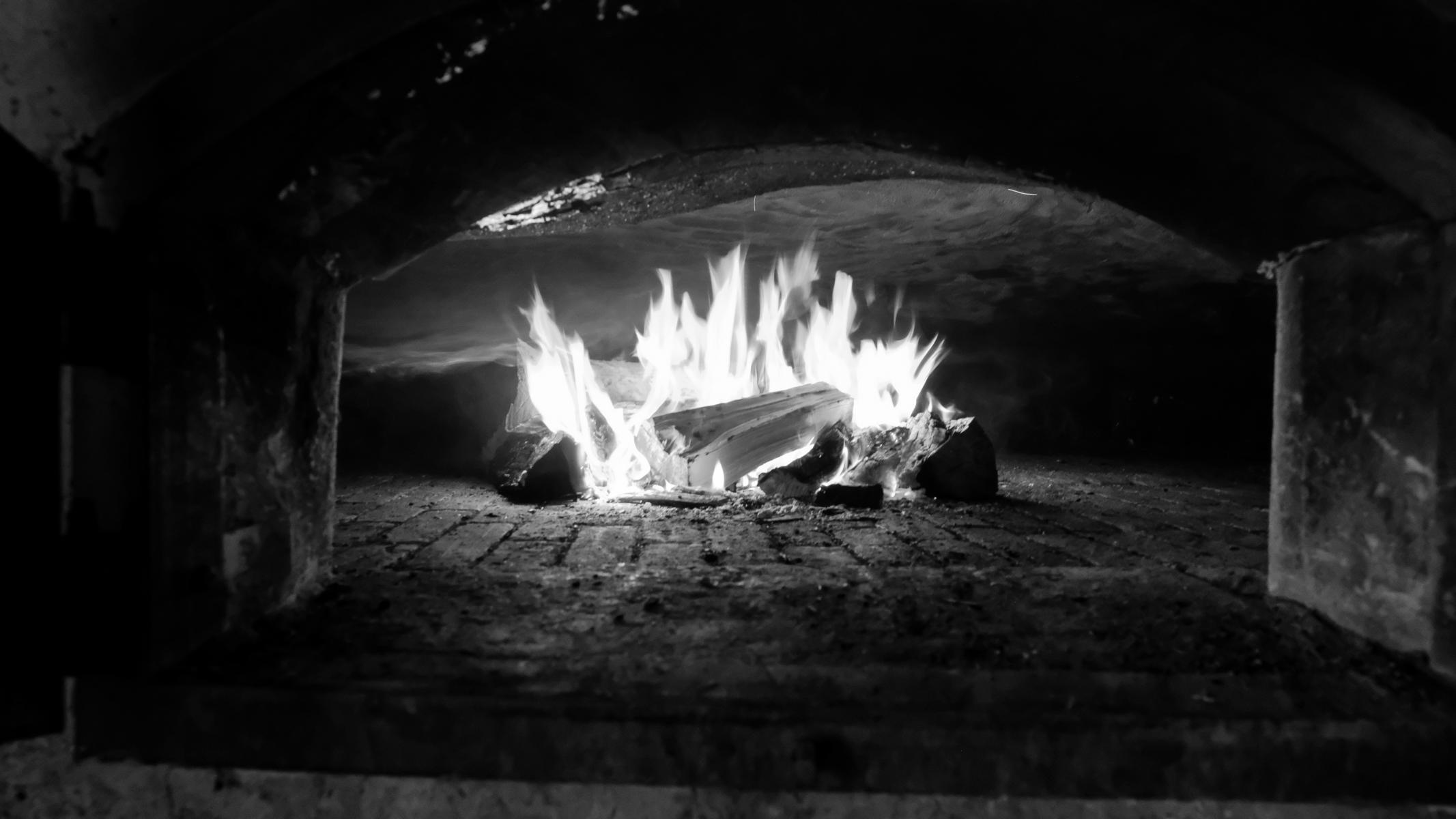
Outside, the storm whirls the snow crystals into a wild dance. But inside the bakehouse, we are immediately surrounded by cozy warmth. In the oven room, located on the west side, the flames crackle as they devour the dry wood. Again and again, the tile is pushed aside to feed more wood into the fire’s mouth. The back room is warmed by a soapstone stove. Next to this stove stands the large dough trough ("Müata"), where the sourdough is ready. A huge ball of dough is lifted from the trough and placed on the flour-dusted table ("Leibbäich"), which takes up most of the room. After the dough is kneaded several times, it is shaped into loaves. Meanwhile, the embers have heated the stone floor of the oven and its arched dome so much that baking can begin. The still-burning logs are pulled out of the oven with the "Choleräche" and transferred to the soapstone stove. The oven is cleaned with the “Wischer,” a damp old cloth.
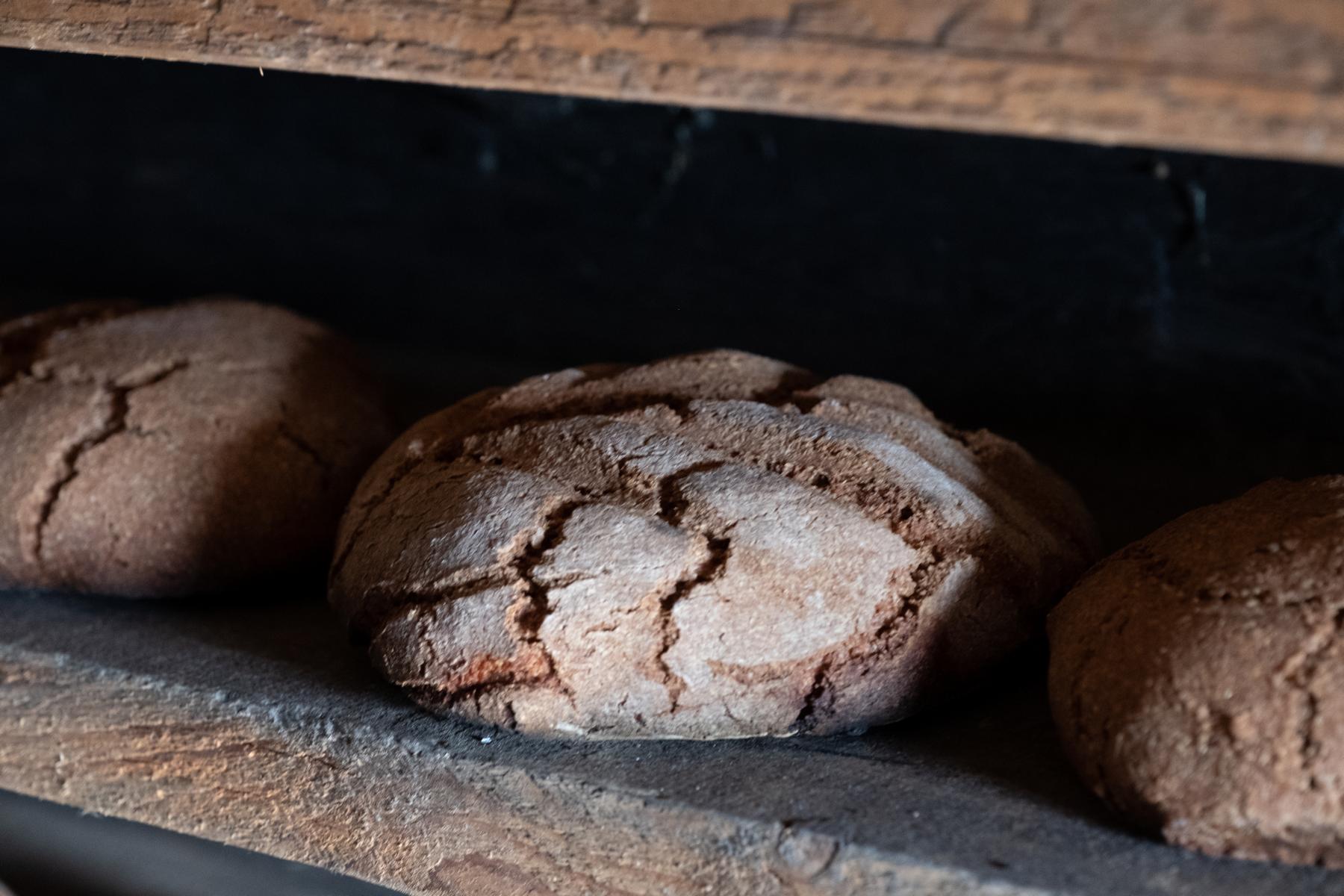
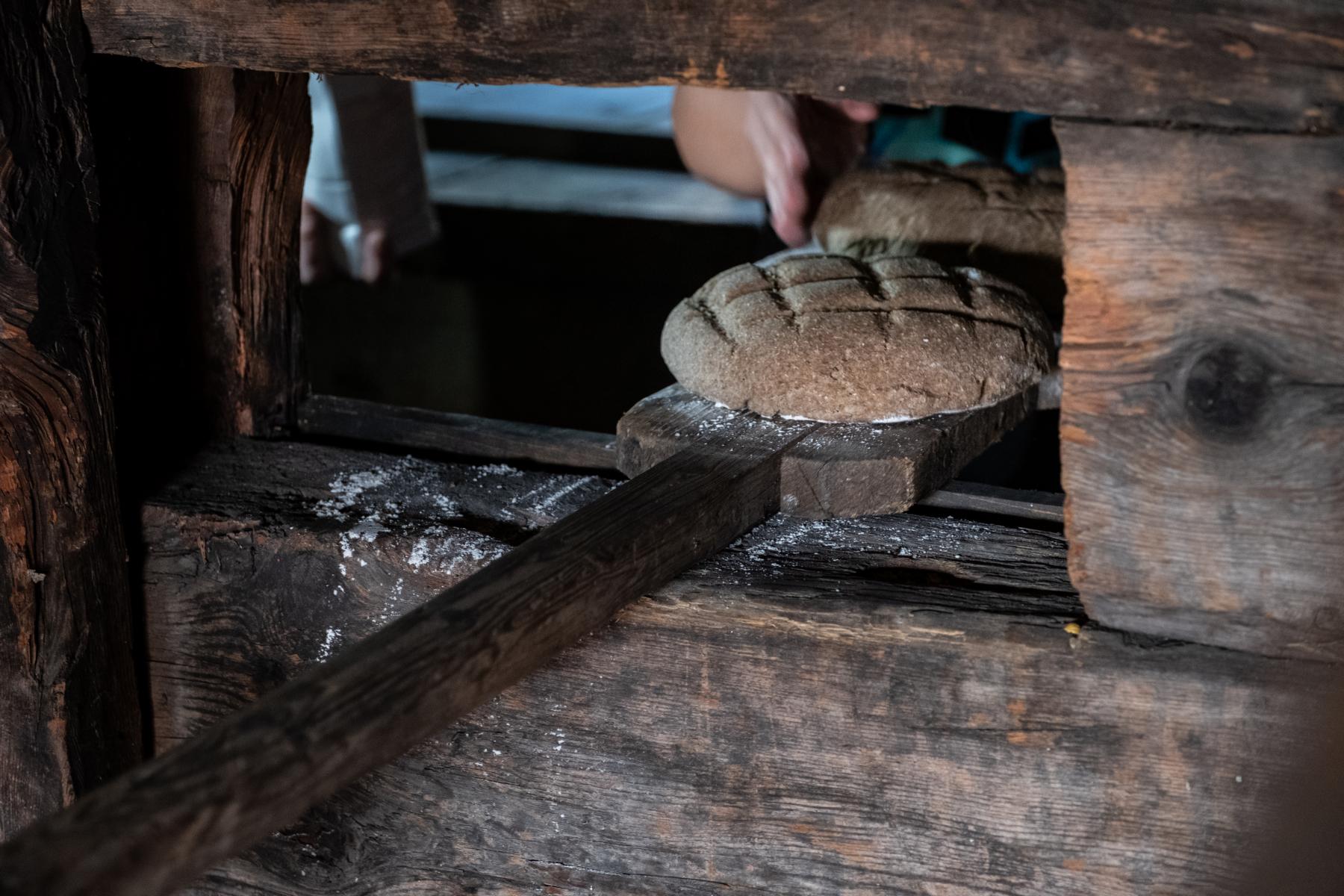
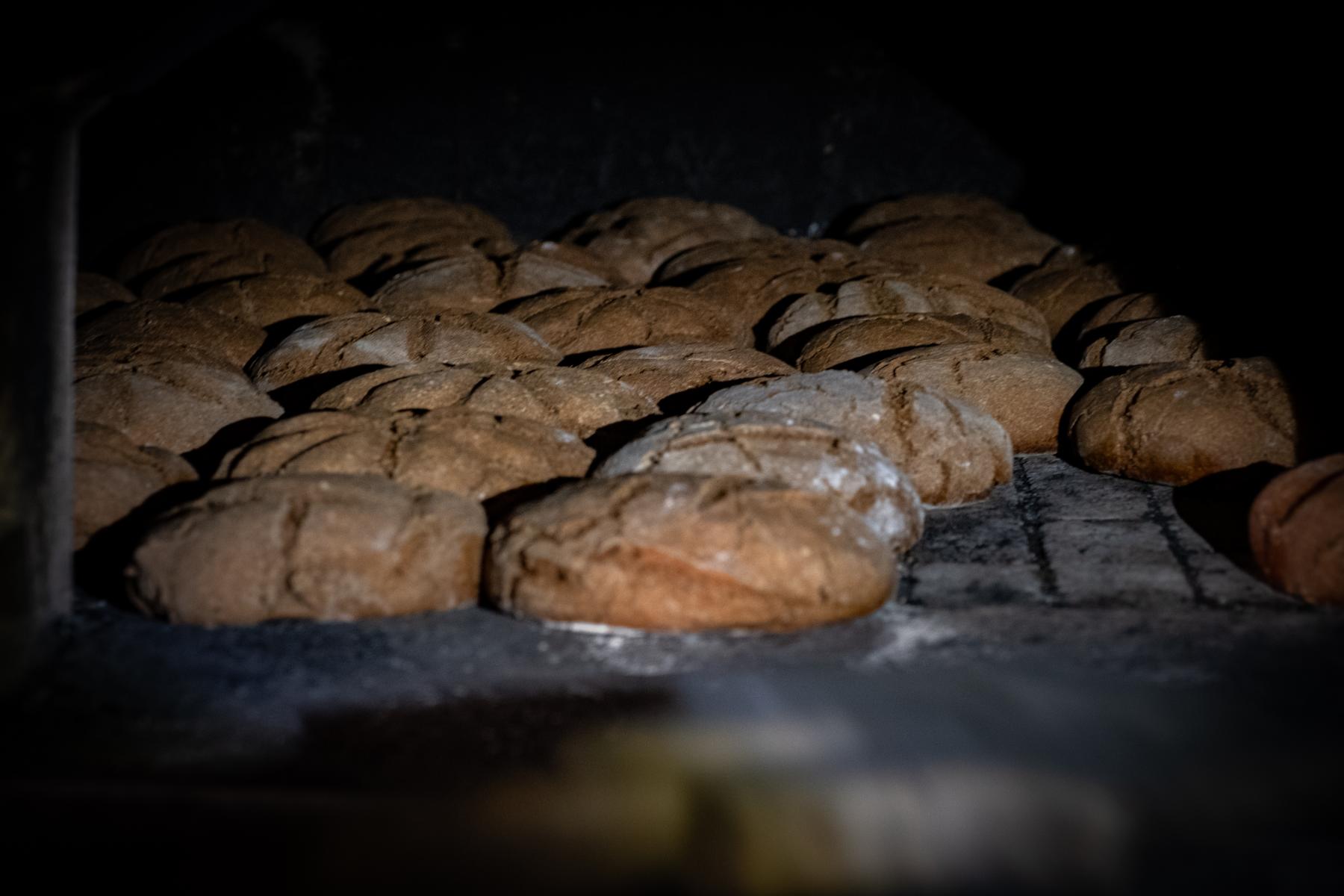
A round, flat wooden paddle slides through the narrow opening next to the door that connects the two rooms. A loaf of bread is placed on the paddle, which disappears into the other room and then into the oven, returning without the loaf to fetch the next one. One by one, the loaves are moved from the table to the glowing stones of the oven. The oven is full, the tile is closed, and the waiting begins. How will the bread turn out? At last, the time comes. One after another, the loaves are removed from the oven with the wooden paddle. The fragrant, brown loaves, still steaming, are laid out on the shelves. Soon, they will be taken to the storage room to make space for the next baker. The oven will not cool down until everyone has replenished their bread supply for the coming weeks.
That’s how it was until just a few decades ago. Today, only the little bakehouse in Ried reminds us that daily bread wasn't always something you could simply buy quickly at the shop around the corner.
The Altes Bellwald Foundation and a group of volunteers have been baking rye bread again two to three times a year for several years now. Anyone interested in this old tradition is warmly invited to take part in a baking day and bake their own rye bread.