In front of the tourist office in Bellwald, you can visit an information point to learn about the World Heritage Site—especially its cultural, historical, and natural landscape highlights.
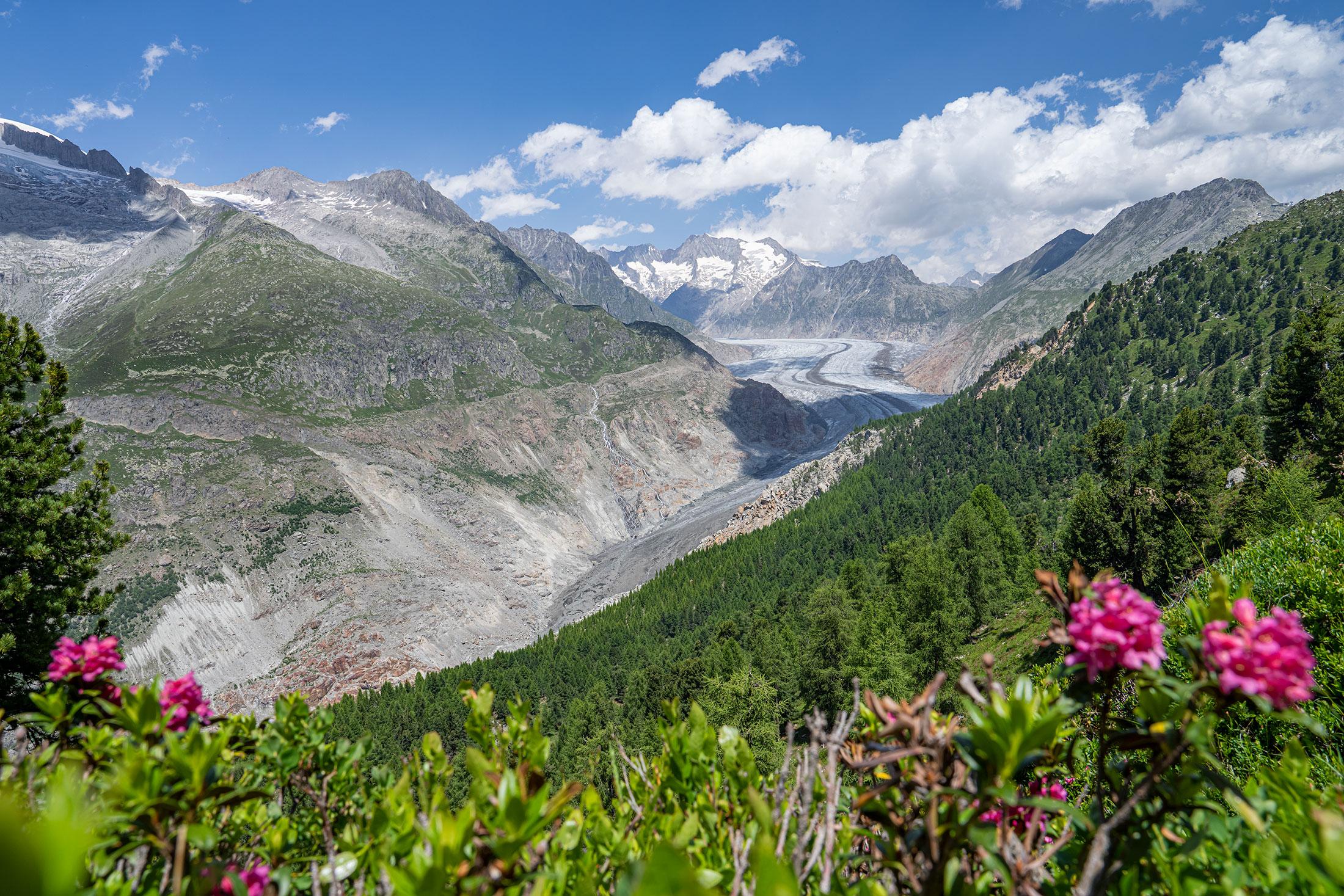
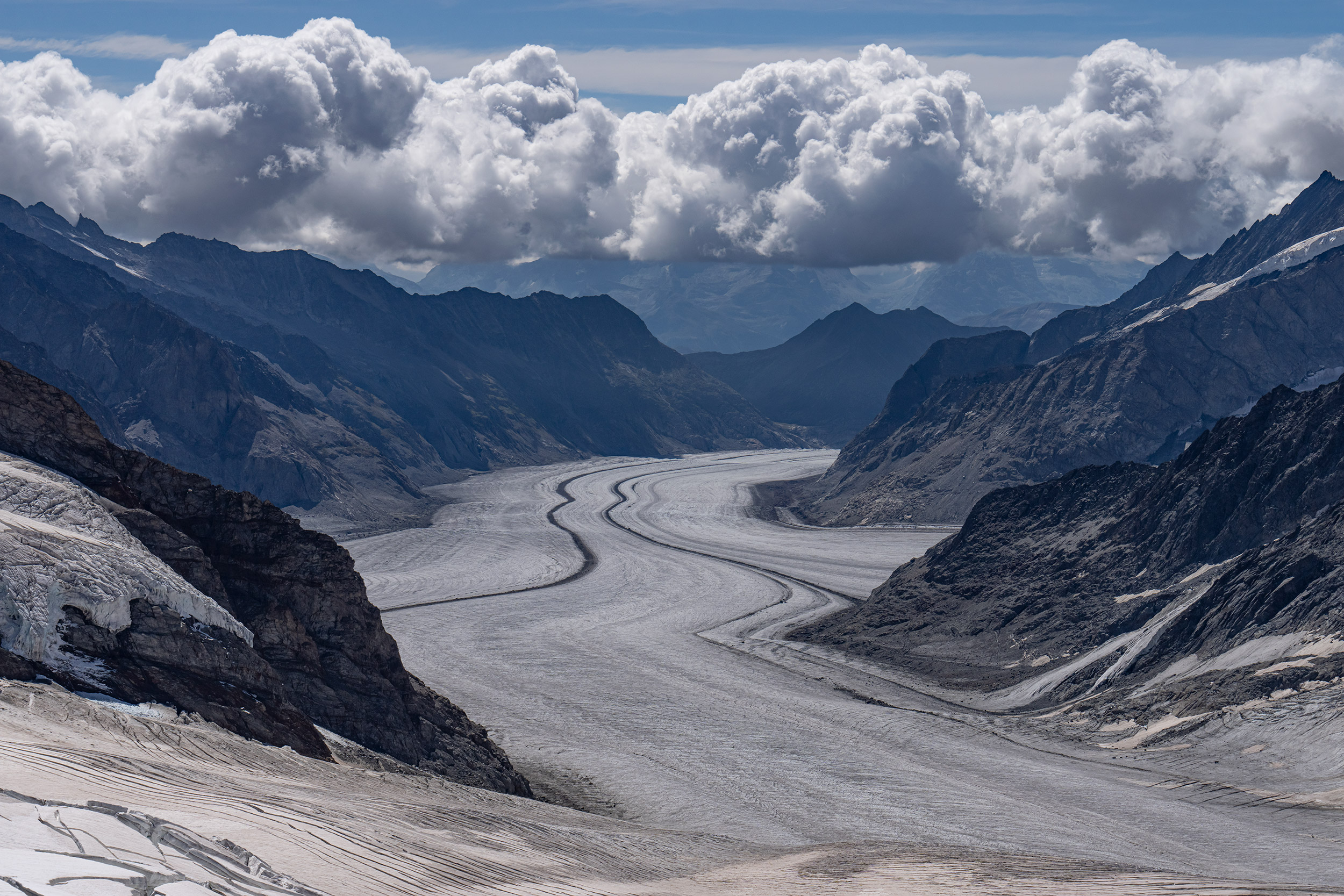
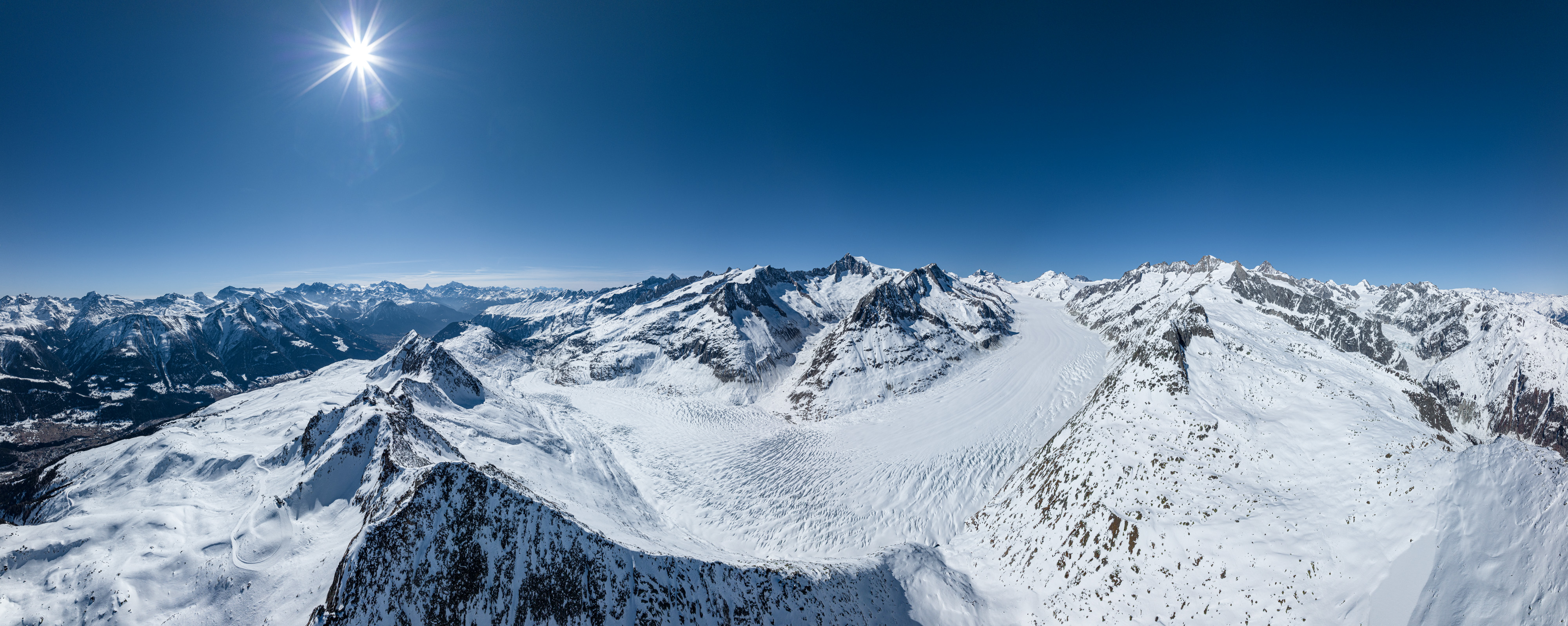
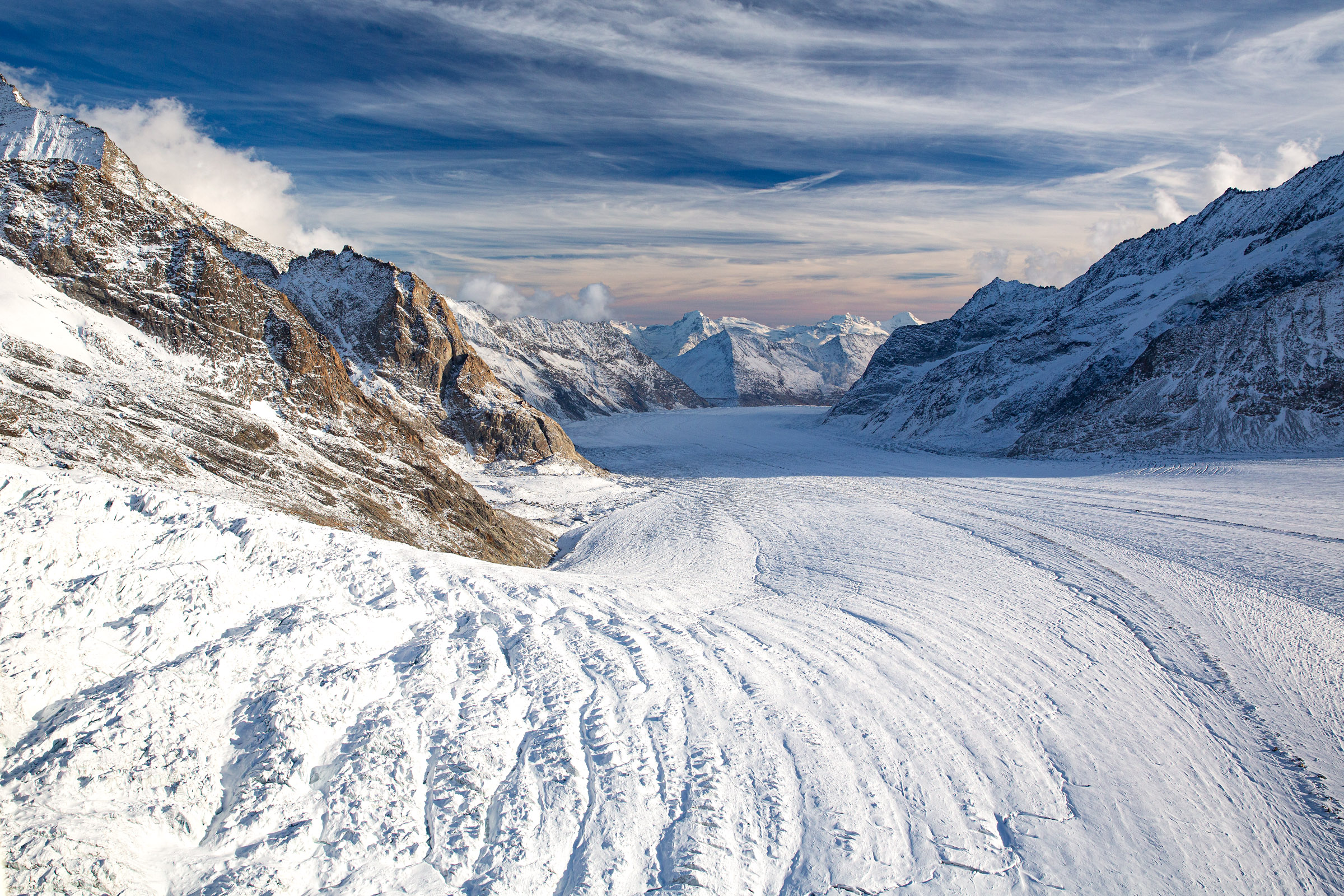
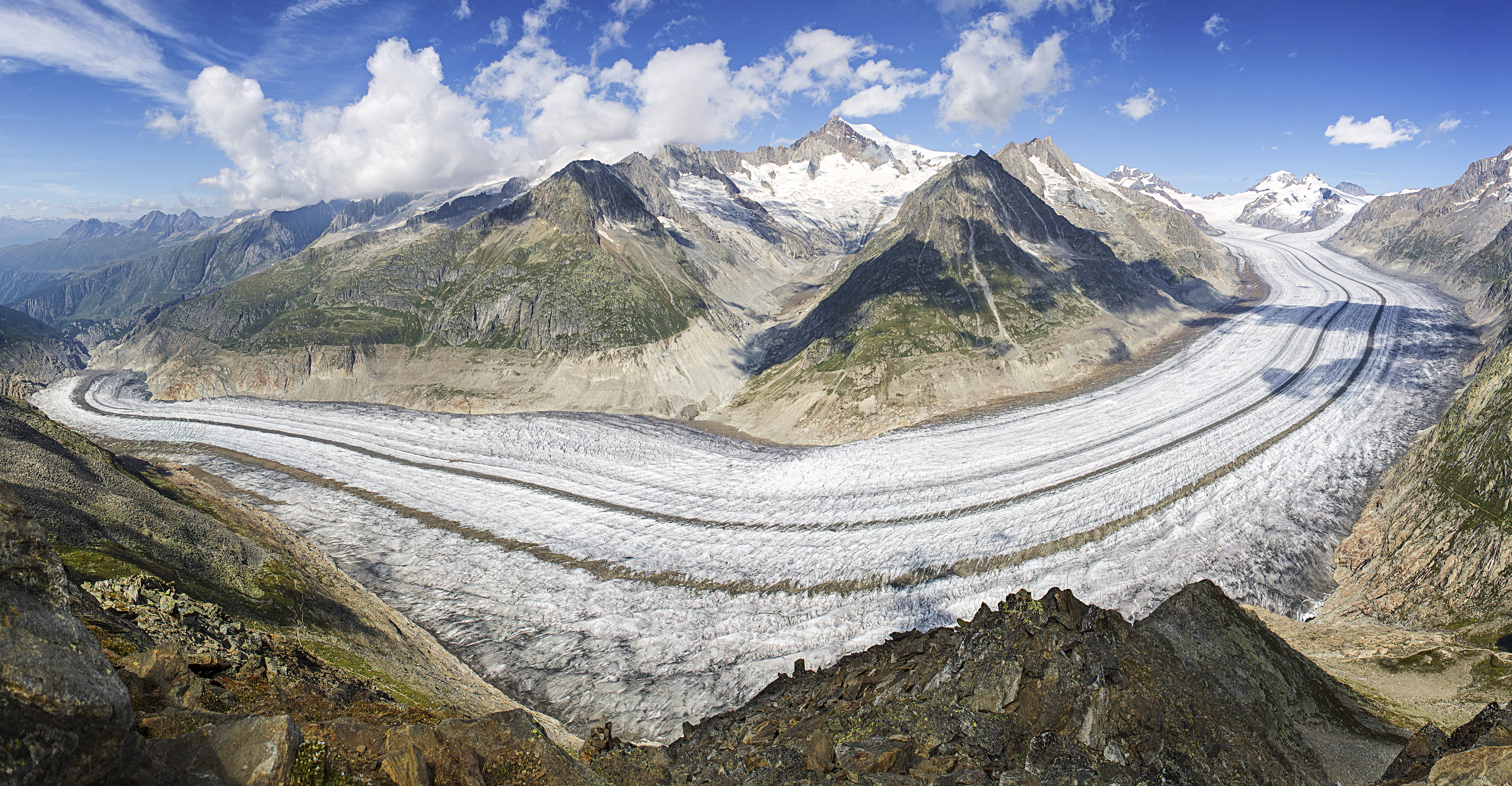
Of the 824 square kilometers that make up the World Heritage Site, 34 percent are covered by glaciers. This largest continuous ice area in the Alps consists of around 70 glaciers of various sizes, as well as 229 firn fields and glacial patches. At its heart lies the Great Aletsch Glacier, though other ice flows—such as the Fiescher Glacier—are also dominant features of the World Heritage Site.
The Jungfrau-Aletsch-Bietschhorn region was declared a UNESCO World Heritage Site in December 2001. With the expansion of the site in 2007 to include eleven additional municipalities and a 53% increase in area, Bellwald is now one of a total of 23 World Heritage communities in the cantons of Valais and Bern.
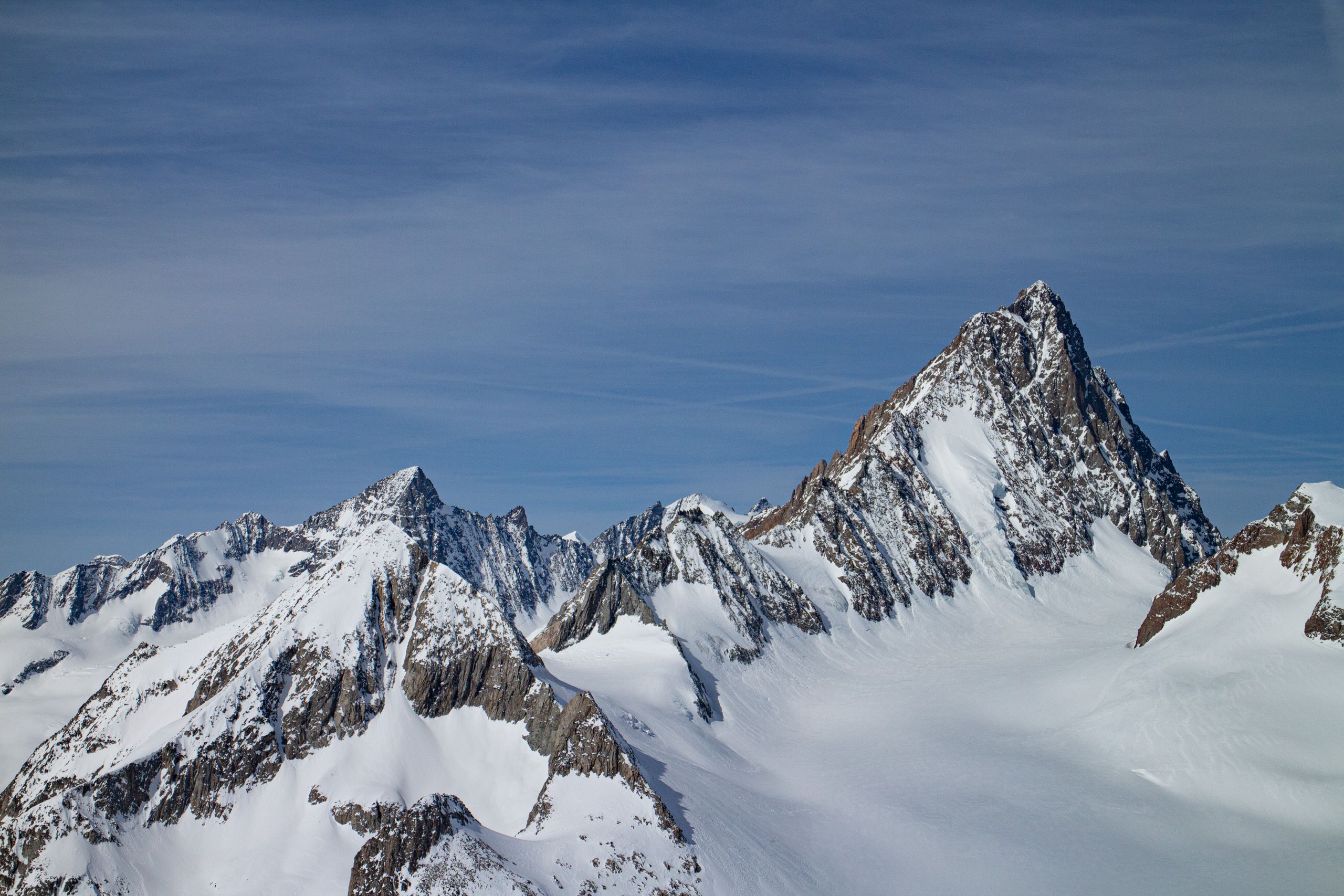
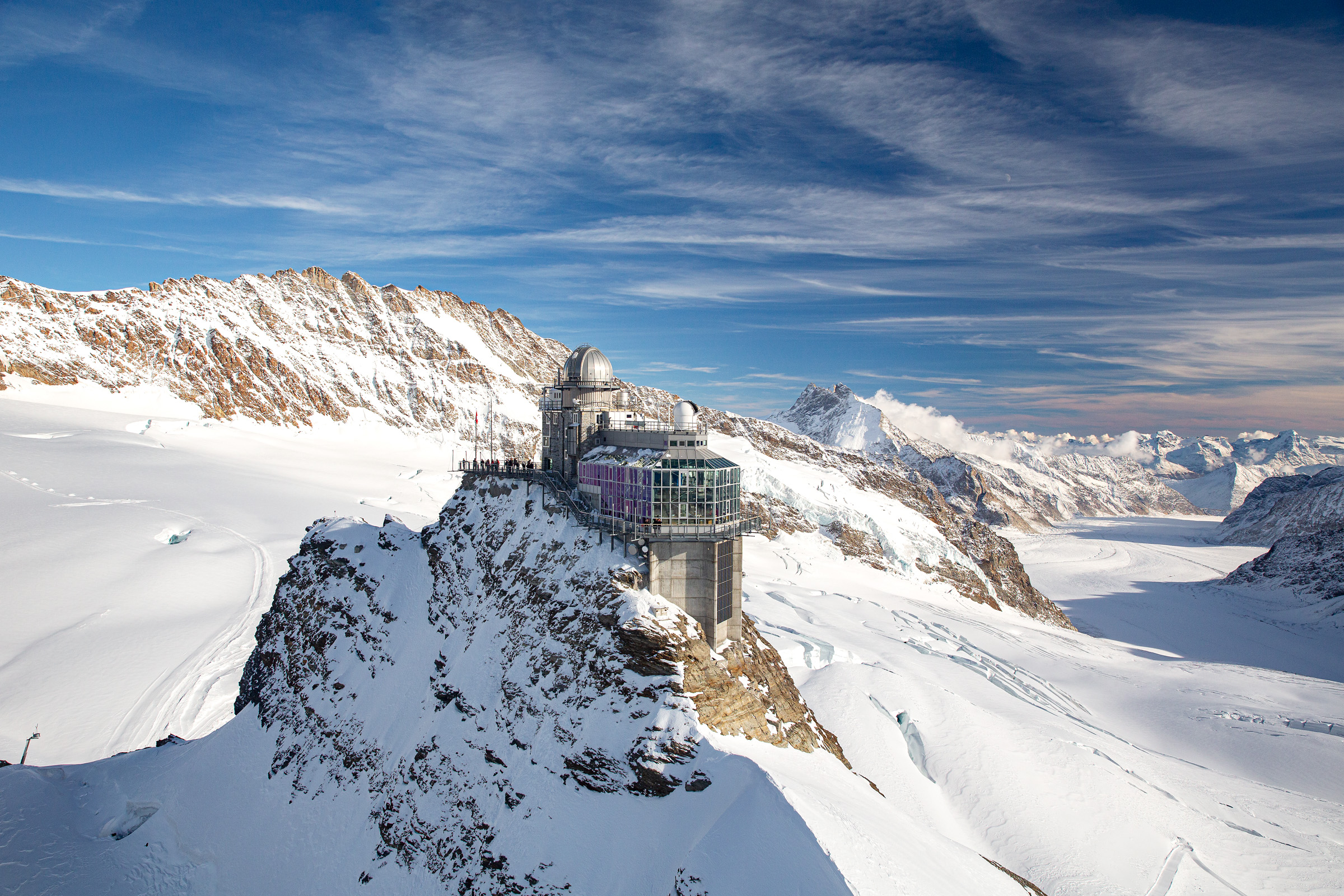
The core zone of the Swiss Alps Jungfrau-Aletsch World Heritage Site consists mainly of natural high mountain landscapes. 85 percent of the area lies above 2,000 meters in elevation. Around 50 mountain peaks rise above 3,500 meters, with nine reaching over 4,000 meters. Nearly 90 percent of the area is made up of unproductive or vegetation-free surfaces. The UNESCO World Heritage Site Swiss Alps Jungfrau-Aletsch is one of the least human-influenced regions in the entire Alpine arc. This untouched wilderness, surrounded by settlements and small-scale cultural landscapes, is one of the outstanding features of this World Natural Heritage Site.
To be included on the World Heritage List, natural properties must meet at least one of the four criteria outlined in the Operational Guidelines for the Implementation of the World Heritage Convention. According to the IUCN (International Union for Conservation of Nature), the Swiss Alps Jungfrau-Aletsch region meets three out of the four criteria:
- Exceptional natural beauty and aesthetic importance: The region has played a major role in European literature, art, mountaineering, and alpine tourism.
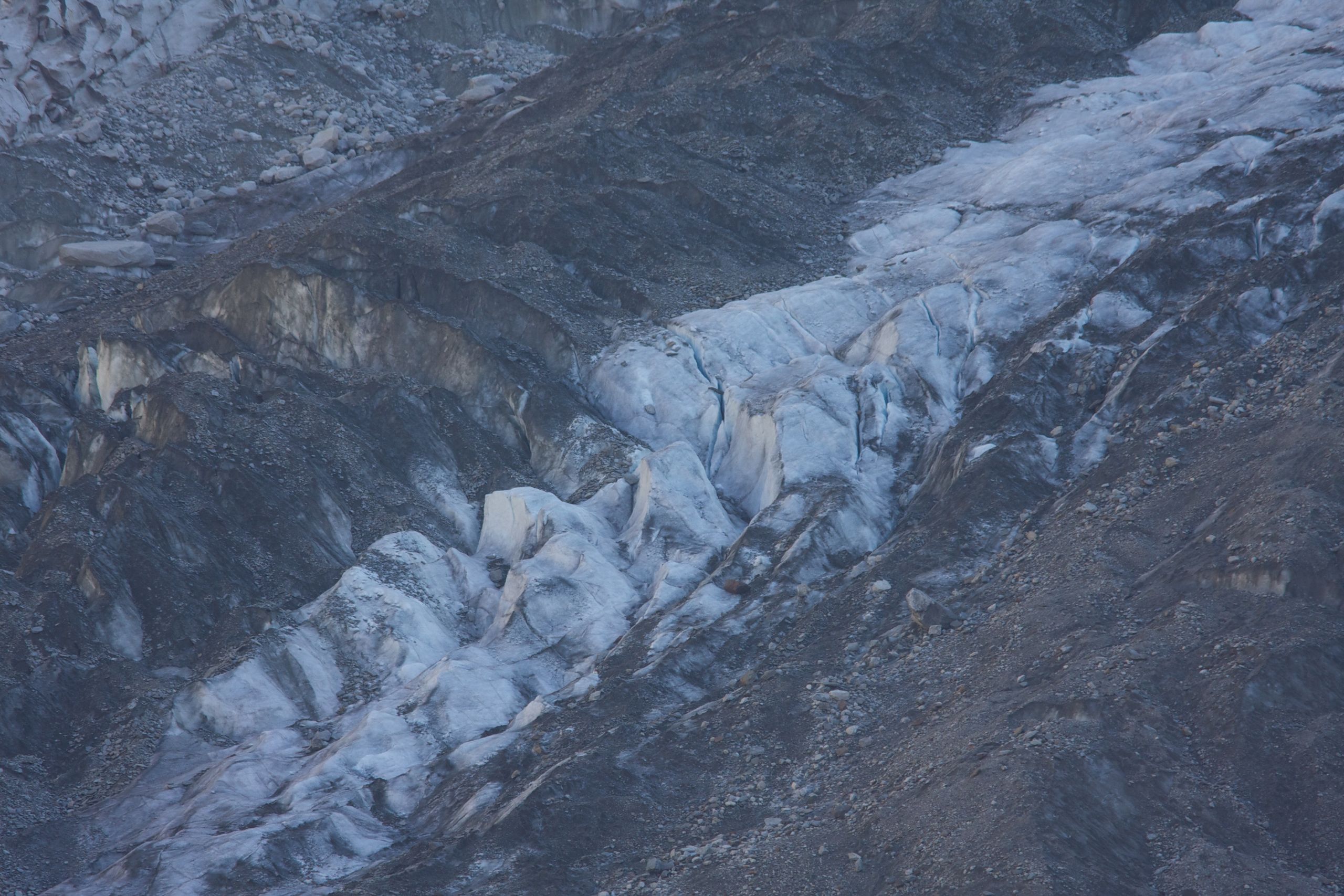
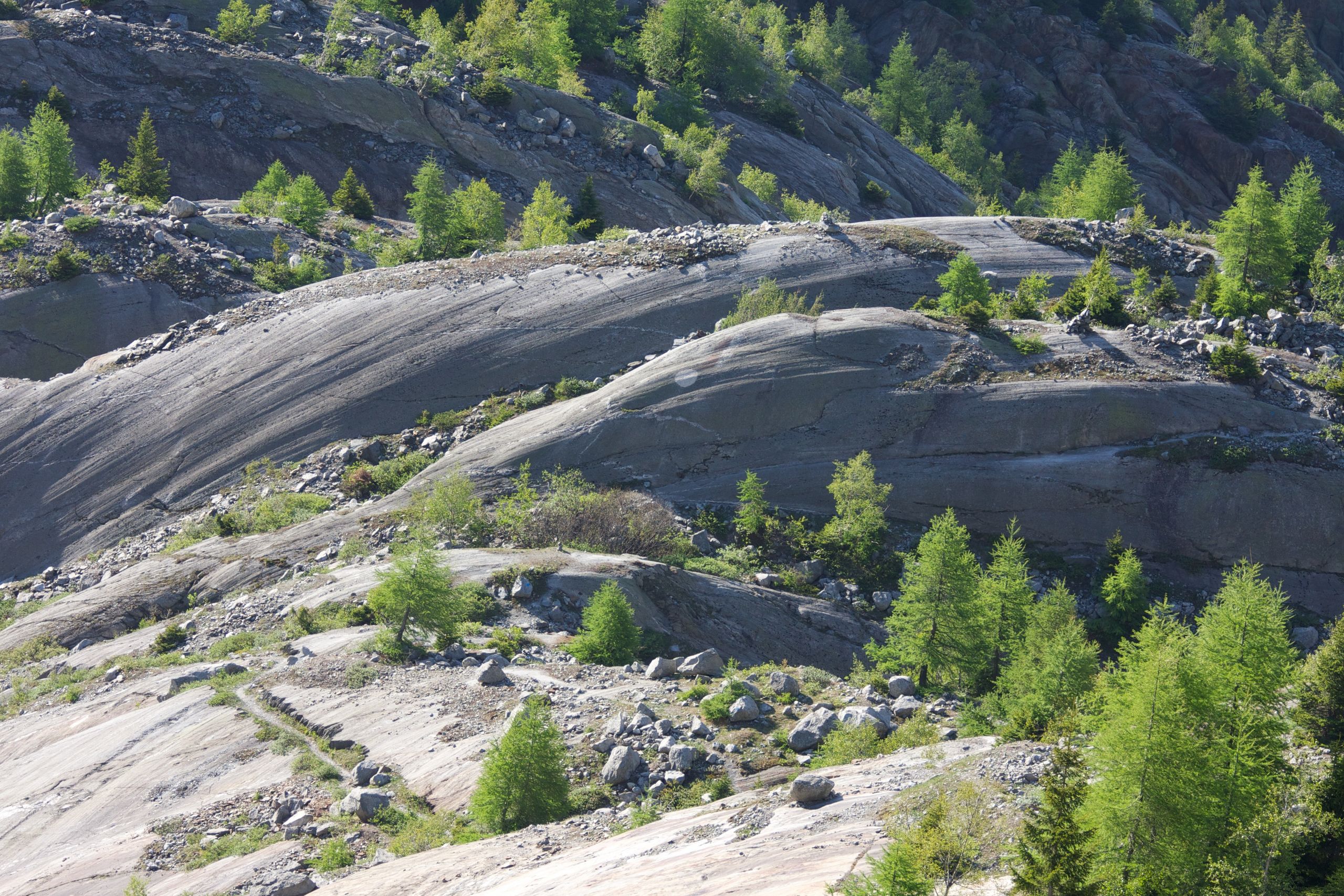
- Outstanding example of alpine mountain formation: The area is of great significance in relation to glacial history and ongoing geological processes, particularly with regard to climate change.
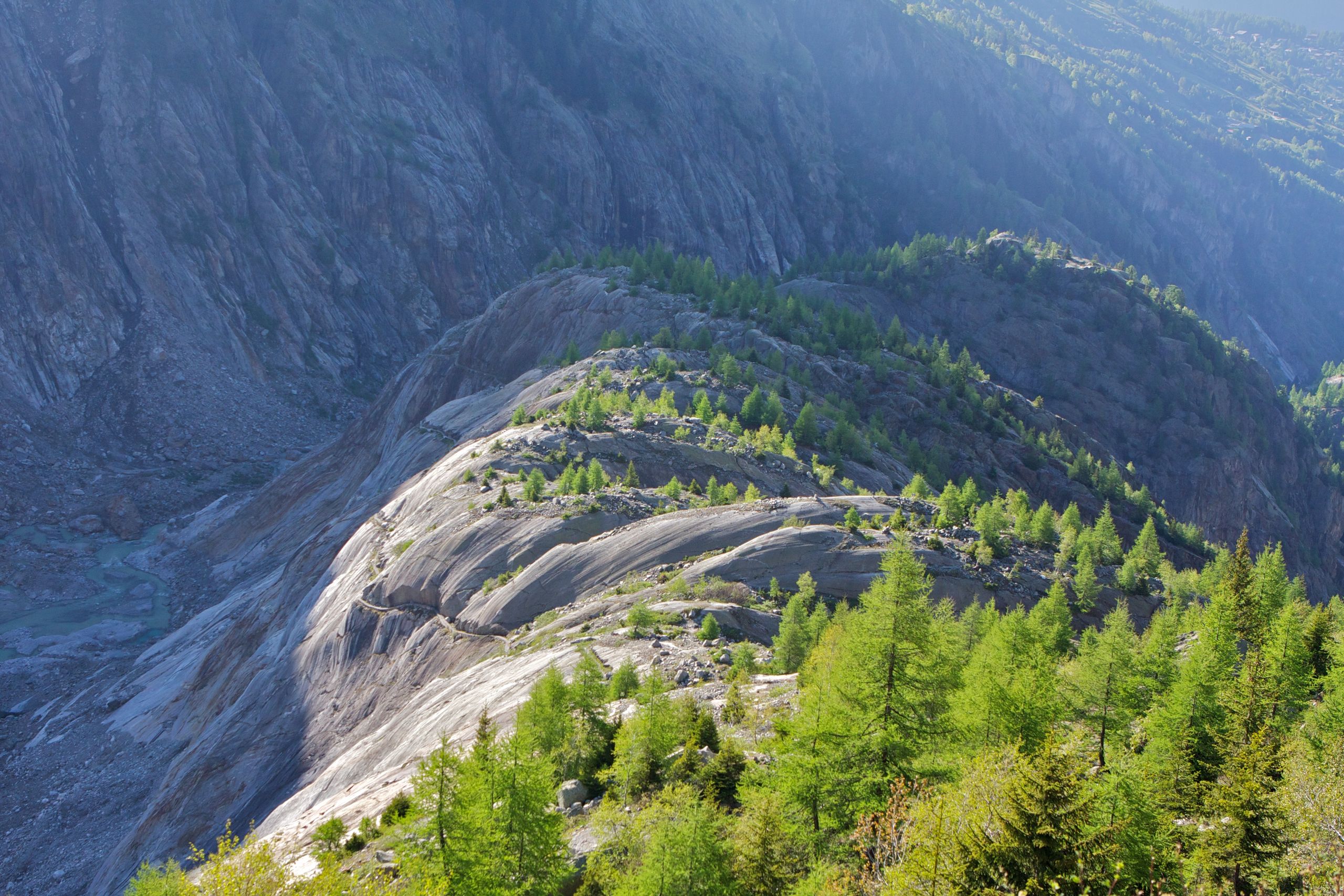
- Enormous diversity of alpine and subalpine habitats: The region contains excellent examples of ecological succession, and the global phenomenon of climate change is particularly observable here.
The beauty of the region has always attracted international visitors and is known as one of the most spectacular mountain regions in the world. See for yourself the breathtaking landscape in this unique recreational area! In summer, you'll find countless hiking opportunities, and in winter, you can enjoy perfectly groomed slopes every day in the Bellwald ski area as well as in the Aletsch Arena.